Ghost kitchens have been running in major cities for over a decade, but the term entered mainstream restaurant conversation during the delivery boom of the early 2020s. The business model makes a specific kind of sense in specific situations — and is poorly suited to others. This article explains what a ghost kitchen actually is, what the numbers look like, and what to consider before deciding whether it is the right move for your operation.
What Is a Ghost Kitchen?
A ghost kitchen — sometimes called a dark kitchen, cloud kitchen, or virtual kitchen — is a commercial food preparation facility that produces meals exclusively for delivery. There is no dining room, no counter service, and no walk-in trade. Orders come in through an app or website, food is prepared and packaged, and a driver picks it up.
The physical setup can look several different ways:
- Independent ghost kitchen — A single operator leases a commercial kitchen space and runs one or more delivery-only brands from it
- Shared ghost kitchen facility — A purpose-built building (companies like Reef, Karma Kitchen, or Foodstars operate these) divided into multiple individual kitchen units, each rented to different operators
- Restaurant-within-a-restaurant — An existing restaurant uses its kitchen during off-peak hours to prepare orders for a delivery-only brand, effectively running a second business from the same space
The Real Cost Comparison

The appeal of ghost kitchens is usually framed around lower overheads, and that part is real. A ghost kitchen unit in a shared facility typically costs £2,000–£5,000 per month in rent and service charges, compared to £8,000–£25,000+ per month for a well-located traditional restaurant site in a comparable city. There is no front-of-house staffing, no interior fit-out required, and no rates on a prime retail unit.
However, the costs that replace those savings are significant and often underestimated:
- Platform commissions — Most ghost kitchen volumes come through third-party delivery apps (Deliveroo, Uber Eats, Just Eat), which charge 25–35% on every order. On a £20 order, that is £5–7 before a single ingredient is paid for.
- Marketing — A traditional restaurant benefits from physical foot traffic and street-level visibility. A ghost kitchen has none. Marketing spend to acquire customers and maintain app ranking is an ongoing cost that many operators underestimate in their projections.
- Packaging — Delivery packaging needs to keep food hot, presentable, and structurally intact over a 20–40 minute journey. Quality packaging that achieves this costs meaningfully more than plates and bowls.
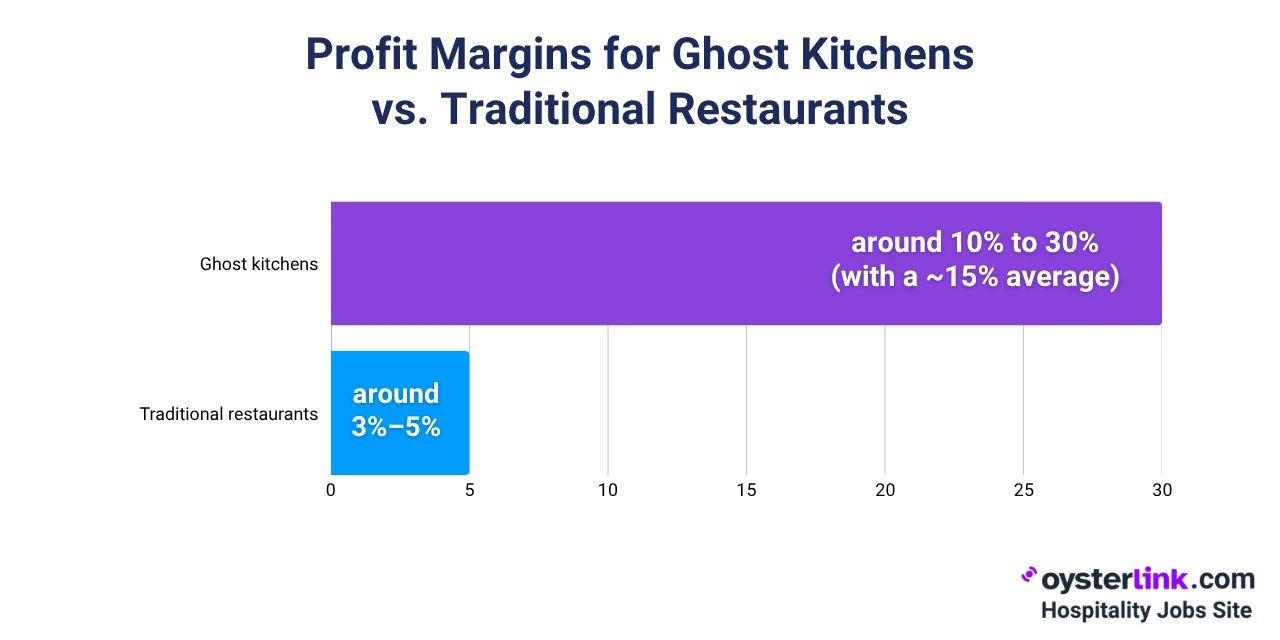
The net margin picture for a ghost kitchen is often tighter than it appears on a first-pass financial model. Operators who build projections based on lower rent without fully accounting for platform commissions and marketing costs frequently discover the breakeven volume is higher than expected.
Where Ghost Kitchens Work Well
Testing a new concept without a full fit-out
A ghost kitchen is one of the fastest and cheapest ways to test whether a food concept has commercial legs. You can launch a new brand, see whether the product gets reordered, and iterate on the menu without signing a ten-year lease on a restaurant unit. For experienced operators with an existing kitchen, a delivery-only brand adds almost no fixed cost.
Running multiple brands from one kitchen
One kitchen, multiple delivery brands — each targeting a different cuisine, cuisine price point, or demographic — is a strategy several successful ghost kitchen operators use to spread the cost of kitchen labour and rent across more revenue. A team that can produce burgers can often produce wings and loaded fries under a different brand name with minimal additional effort. The economics improve significantly when marketing costs and kitchen utilisation are split across two or three brands rather than one.
Extending the reach of an existing restaurant
An established restaurant with a recognisable brand can open a ghost kitchen unit in a different part of the city to serve customers beyond its usual delivery radius, without the complexity of a second full restaurant location. The brand already has identity, reviews, and menu credibility — the ghost unit adds geographical coverage.
The Platform Commission Problem
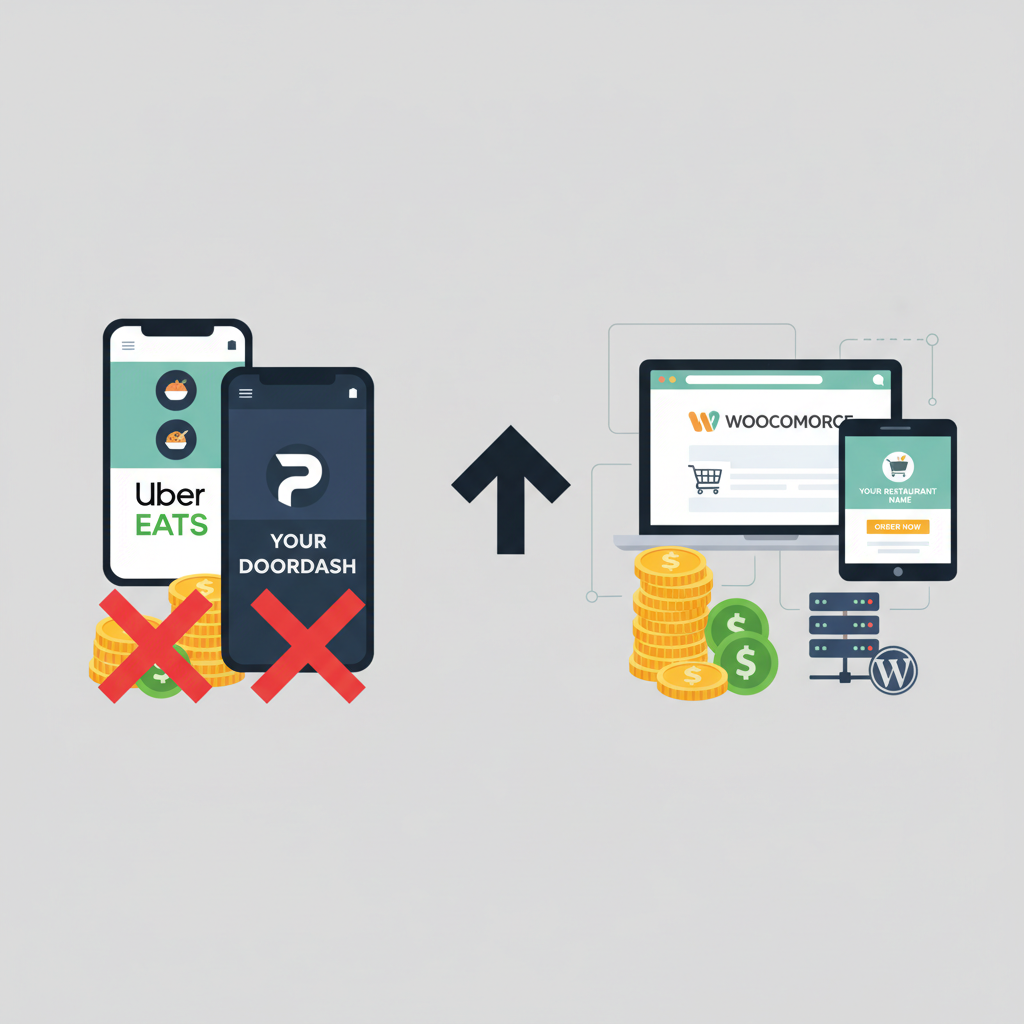
The fundamental tension in any ghost kitchen business model is that it is almost entirely dependent on delivery platforms to reach customers — and those platforms take a large portion of every order. A ghost kitchen running exclusively through third-party apps is, in effect, paying a recurring toll of a quarter to a third of its revenue in perpetuity.
Operators who build a direct ordering channel alongside their platform presence — a website where returning customers can order without the commission — change their margin profile meaningfully over time. Because a ghost kitchen has no physical presence to drive brand recognition, the direct ordering channel usually needs to be built through post-order communication: a message in the delivery bag, a follow-up email, or an incentive for customers who order directly next time.
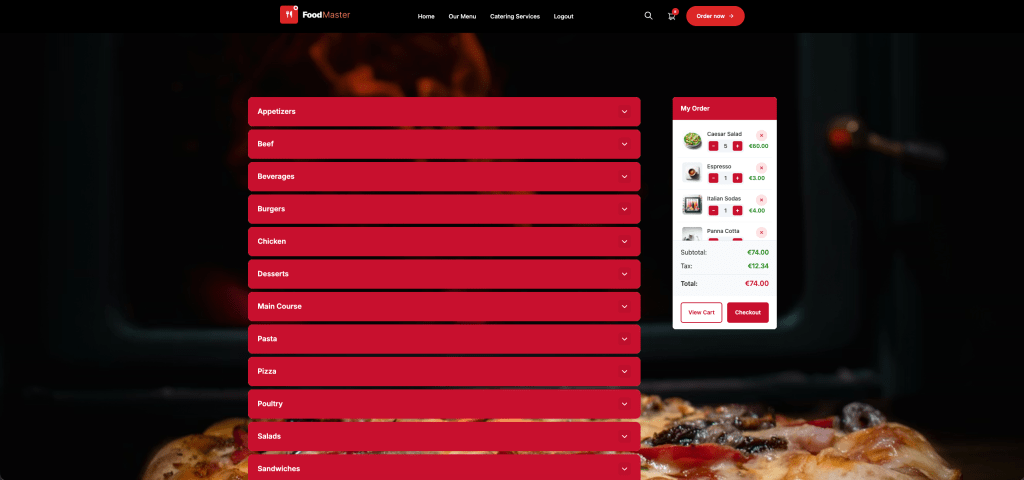
Self-hosted ordering through a plugin like FoodMaster on WordPress is one way to run this direct channel. There are no per-order fees, and because you own the customer relationship, you can build a repeat customer base that is not dependent on your ranking in an app’s search results.
Practical Considerations Before You Start
- Food that travels well — Not every menu is suited to delivery. Dishes that degrade quickly (fried food that goes soggy, delicate plating that collapses, components that need to be assembled at service) will generate complaints regardless of how good they are in the kitchen. Ghost kitchen menus need to be specifically designed for a 30-minute journey in a bag.
- Delivery zone coverage — Shared ghost kitchen facilities are often located in industrial or out-of-town areas where rent is cheaper. Check that the zone you can realistically serve from that location overlaps with sufficient demand.
- Order volume required to be profitable — Work backwards from your fixed costs. If your kitchen rent plus platform commissions plus labour costs require 80 orders a day to break even, model out whether that is achievable in your target area before committing.
- Reviews and brand building — Ghost kitchen brands start with zero reviews and zero reputation. The first few weeks on a platform are the hardest, and ranking algorithms tend to favour established listings. Factor in a period of below-breakeven volume while the brand builds.
Is a Ghost Kitchen Right for Your Business?
Ghost kitchens make particular sense for operators who already have kitchen space and labour they can use more efficiently, for those who want to test a concept before committing to a physical site, or for established brands looking to extend delivery coverage into new areas.
They are harder to make work for first-time operators without existing brand recognition, because the challenge is not cooking the food — it is getting enough customers ordering regularly enough to sustain the economics, with no physical shopfront and in competition with every other delivery listing in the same area.
The operators who do well with ghost kitchens typically treat the delivery platforms as a customer acquisition channel rather than a permanent revenue model — using platform traffic to build an audience, then gradually converting regulars to a direct ordering channel where the full order value stays with the business.
Commission-free ordering
Run restaurant orders on your own WordPress site
FoodMaster adds delivery, pickup, dine-in, POS, and kitchen tools — with zero per-order fees.