On this page
- What Is a Soft Opening for a Restaurant?
- Soft Opening vs Grand Opening: Key Differences
- Why Restaurants Do Soft Openings: The Real Benefits
- 1. Stress-Test the Kitchen
- 2. Train Staff in Real Conditions
- 3. Refine Your Menu
- 4. Test Your Online Ordering Setup
- 5. Build Early Buzz
- 6. Protect Your Online Reputation
- How to Plan a Successful Restaurant Soft Opening
- Step 1: Define What You Are Testing
- Step 2: Build the Right Guest List
- Step 3: Run a Restricted Menu
- Step 4: Simulate Real Service Conditions
- Step 5: Collect Structured Feedback
- Step 6: Act on What You Learn — Quickly
- Soft Opening Checklist
- Common Soft Opening Mistakes to Avoid
- Final Thoughts
- Soft Opening FAQs
Opening a restaurant is one of the most exciting — and stressful — things a hospitality entrepreneur can do. A soft opening is the time-tested strategy that takes the pressure off your official launch day by giving you and your team a chance to rehearse under real conditions, without the full public spotlight. This guide covers everything you need to know: what a soft opening actually is, why it matters, and exactly how to run one successfully.
What Is a Soft Opening for a Restaurant?
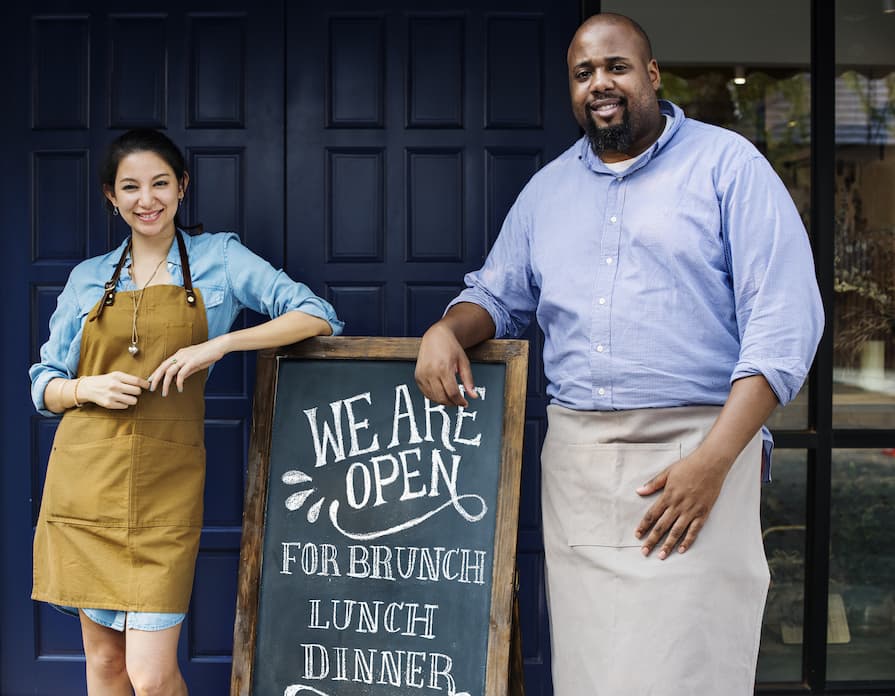
A soft opening is a limited, often invite-only launch that takes place before a restaurant’s official public opening — sometimes called the grand opening. It typically runs for a few days to a few weeks and involves a smaller guest list, a reduced menu, and restricted hours.
The goal is simple: find out what needs fixing before the world is watching. Think of it as a dress rehearsal — real food, real customers, real pressure, but with a forgiving audience who understands they are part of a process.
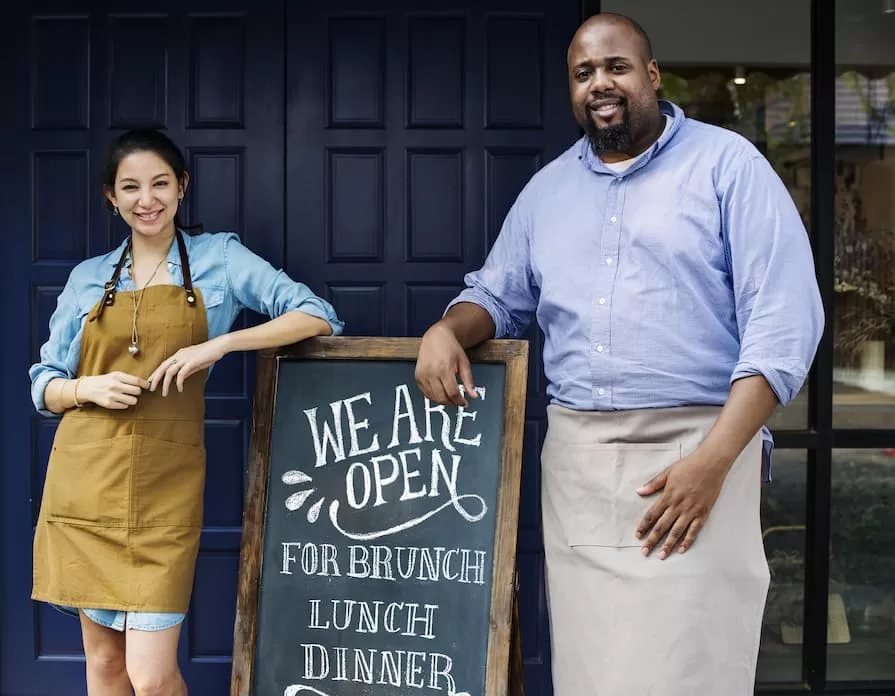
Unlike a private tasting event or a staff training exercise, a soft opening involves actual paying or invited members of the public placing orders, being served, and experiencing the restaurant as it is meant to run. That realistic pressure is what makes it so valuable.
Soft Opening vs Grand Opening: Key Differences
| Soft Opening | Grand Opening |
|---|---|
| Private or invite-only guests | Full public launch with marketing |
| Goal: test, learn, and improve | Goal: make a strong first impression |
| Reduced menu or limited hours | Full service and complete offerings |
| Low-stakes, feedback-focused | High visibility and public expectations |
| May offer discounts or free items | Promotions used to drive excitement |
| Issues are expected and welcome | Issues damage reputation and reviews |
Your soft opening exists to serve the grand opening. Everything you learn and fix in the weeks before launch means fewer problems on the day that actually gets reviewed on Google.
Why Restaurants Do Soft Openings: The Real Benefits
1. Stress-Test the Kitchen
Even the most carefully planned kitchen has gremlins. Prep times that worked in practice run long under real service conditions. Dishes that looked perfect in testing come out inconsistently when the kitchen is handling a full ticket rail. A soft opening reveals these cracks while they are still cheap to fix.
2. Train Staff in Real Conditions
There is no training exercise that replicates actual service pressure. A soft opening gives your front-of-house team real tables, real orders, and real situations to navigate — reservations mix-ups, allergy queries, complaints — and lets them develop confidence and muscle memory before grand opening day.
3. Refine Your Menu
Dishes that read well on paper do not always translate into popular orders. Soft opening feedback tells you which items guests are genuinely excited about, which descriptions are confusing, and which dishes slow down the kitchen. This intelligence is gold for your final menu decisions.
4. Test Your Online Ordering Setup
If you are offering delivery or pickup from day one, your online system needs to be tested just as rigorously as your kitchen. Payment flows, delivery zone configurations, estimated times, and order confirmation messages all need to work correctly before you go live.
Many restaurants use their soft opening to run end-to-end tests of their online ordering workflow. Plugins like FoodMaster for WordPress make this easy — you can process real test orders, check your delivery zone coverage, and verify your receipt printing before the first public customer arrives.
5. Build Early Buzz
Invite food writers, local influencers, and loyal regulars from a previous venture. A soft opening is an exclusive event — and exclusivity generates word-of-mouth that no paid ad can replicate. The guests who attend soft openings tend to become your most vocal advocates.
6. Protect Your Online Reputation
A 3-star Google review written on opening day by a disappointed diner can haunt your listing for years. The soft opening is your insurance policy. Problems that surface during the practice run get fixed before the reviews start rolling in.
How to Plan a Successful Restaurant Soft Opening

Step 1: Define What You Are Testing
Before you invite a single guest, decide what you want to learn. Common focus areas:
- Kitchen speed and consistency across specific dishes
- Front-of-house service flow (greeting, seating, order taking, payment)
- Online ordering and delivery workflows
- Specific menu items you are uncertain about
- Table turn times and overall throughput
Having clear goals means your team knows what to look out for, and your feedback collection will be more focused and actionable.
Step 2: Build the Right Guest List
Your soft opening guests should be a mix of people willing to give you honest feedback and people worth building a relationship with:
- Friends and family — they will be forgiving, but push them to be critical
- Local food bloggers and influencers — for early organic reach
- Local journalists or food writers — if you want a review before launch
- Loyal customers from a previous venture — they know your standard and will tell you honestly if you are hitting it
- Local business owners — ideal for corporate lunch relationships and event bookings
Step 3: Run a Restricted Menu
Do not open your full menu during the soft opening. A focused selection of 50–60% of your eventual menu lets your kitchen team execute well rather than struggling to produce everything at once. Feature your signature dishes — the ones you want guests talking about after they leave.
Step 4: Simulate Real Service Conditions
Resist the temptation to “go easy” on yourself by running the soft opening too quietly. Fill the restaurant to a capacity that will genuinely stress your systems — 60–80% of your normal tables is the sweet spot. Enough pressure to surface real issues, but not so overwhelming that the entire team collapses.
Step 5: Collect Structured Feedback
Verbal feedback at the table is useful but easy to forget or misread. Use a simple structured method:
- A short paper or QR code survey at each table (food quality, service, atmosphere)
- A dedicated email address for guests to send thoughts after leaving
- An end-of-service team debrief — what went well, what failed, what surprised everyone
Step 6: Act on What You Learn — Quickly
The feedback is only valuable if you act on it. After each soft opening service, hold a brief team meeting to triage issues: what can be fixed today, what needs a process change, what needs longer-term work. Keep notes, track changes, and verify that fixes actually work in the next service before signing them off as resolved.
Soft Opening Checklist
Use this checklist in the weeks leading up to your soft opening:
- ☐ Define the specific goals for each soft opening service
- ☐ Build and confirm your guest list (50–100 covers is typical)
- ☐ Set a limited menu featuring your signature dishes
- ☐ Prepare a feedback form or survey
- ☐ Train all staff on the expected service flow
- ☐ Test your online ordering system end-to-end (if applicable)
- ☐ Confirm reception flows (reservations, walk-ins, QR ordering)
- ☐ Set a post-service debrief time for the team
- ☐ Schedule a review meeting after all soft opening services to finalise changes before grand opening
Common Soft Opening Mistakes to Avoid
- Running it too quietly. A half-empty restaurant does not create realistic pressure. You need to test with enough covers to stress the system.
- Using only friendly guests. Friends who will not tell you the soup was cold are not giving you the feedback you need. Mix in guests who will be diplomatically honest.
- Skipping the debrief. If the kitchen and front-of-house team each go home after service without comparing notes, you will miss systemic issues that only emerge when all perspectives are combined.
- Not testing online systems. If you plan to take delivery or pickup orders, failing to test these during the soft opening means your first live delivery order is also your first test — not ideal.
- Treating every soft opening service the same. Use the feedback from service one to make changes before service two. Each session should be demonstrably better than the last.
Final Thoughts
A soft opening is not a shortcut or a compromise — it is one of the most disciplined things a restaurant owner can do before launch. It requires honesty about your current readiness, courage to invite real feedback, and the operational discipline to act on what you learn.
Restaurants that invest in a serious soft opening consistently outperform those that jump straight to a grand opening without one. The investment in a few weeks of careful rehearsal pays back many times over in stronger first-week reviews, a more confident team, and an operation that actually works the way it was designed to.
If you are also setting up online ordering, use the soft opening period to test your complete digital workflow. The FoodMaster plugin for WordPress lets you run full delivery, pickup, and dine-in order flows — including delivery zone checks, time slot scheduling, and automatic printing — so your online channel is as polished as your dining room when you open for real.
Soft Opening FAQs
What is a soft opening for a restaurant?
A soft opening is a limited, often invite-only launch
that takes place before a restaurant’s official grand opening. It is designed to test food, service, and operations
under real conditions while the stakes are still low.
How long should a restaurant soft opening last?
Most restaurant soft openings run for one to four
weeks, with multiple services per week. Smaller restaurants may need just a few sessions; larger or more complex
operations benefit from a longer testing period.
Do you charge customers at a soft opening?
This varies. Some restaurants charge normal prices to
simulate real conditions. Others offer discounts (30–50% off) as a thank-you to early guests. A few run the soft
opening as a free-to-attend friends-and-family event. There is no rule — choose whatever approach lets you collect
the most honest feedback.
What is the difference between a soft opening and a grand opening?
A soft opening is a private
rehearsal focused on learning and improvement. A grand opening is a public launch focused on making the best
possible first impression. The soft opening serves the grand opening by eliminating the surprises that would
otherwise happen on your most visible day.
Should I advertise my soft opening?
Generally no — or at least not widely. The goal is a
controlled number of guests. Some light promotion on social media (“limited spots available for our exclusive
preview dinner”) can build excitement, but avoid anything that might bring in more guests than you can realistically
serve.
Commission-free ordering
Run restaurant orders on your own WordPress site
FoodMaster adds delivery, pickup, dine-in, POS, and kitchen tools — with zero per-order fees.